Treatments
Moxibustion
A warming treatment using the herb mugwort, traditionally used to support energy flow and comfort.
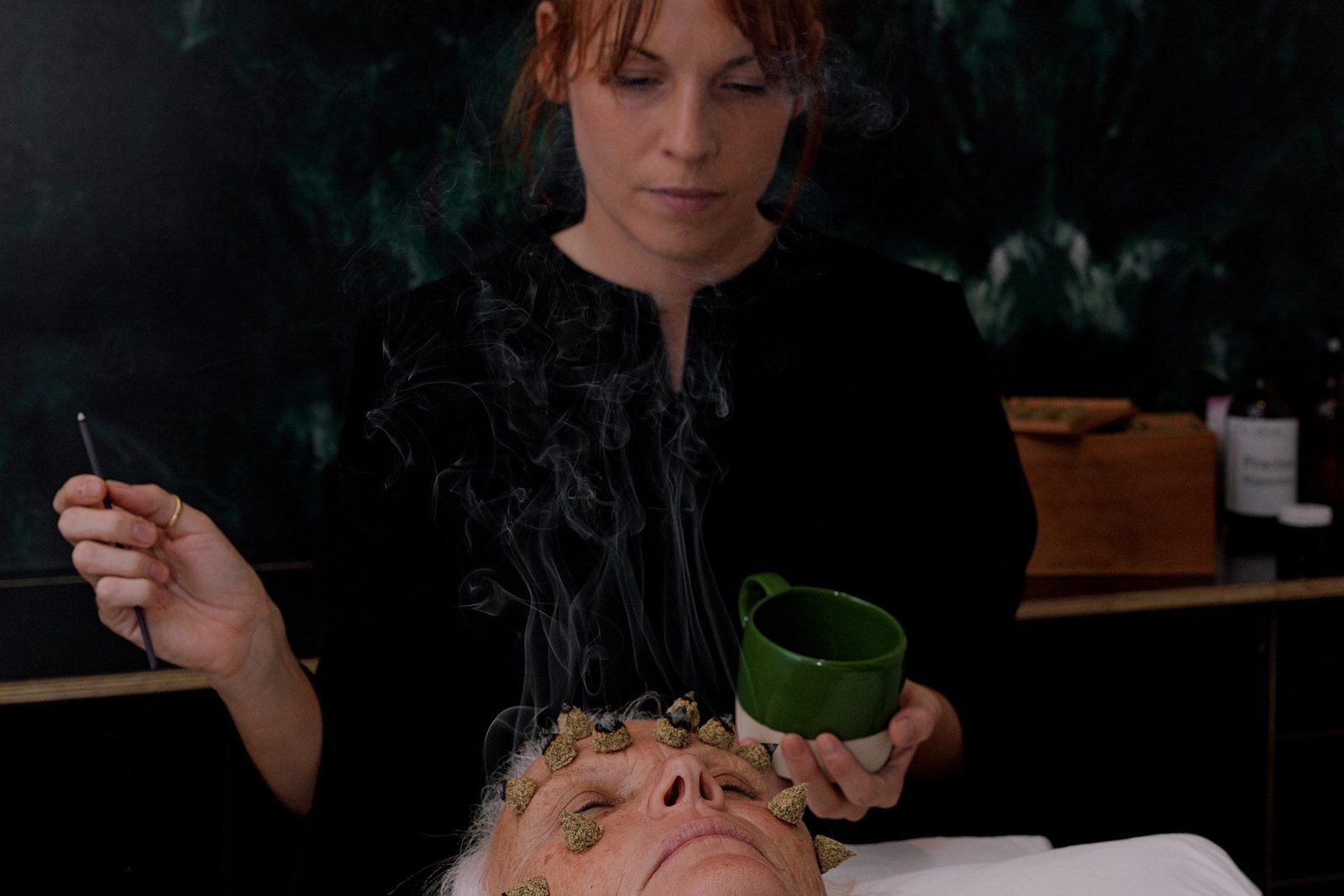
Moxibustion, moxa for short, is a traditional warming therapy that uses the dried herb mugwort. We burn it gently near the skin or over acupuncture points to warm the area. In Chinese medicine it is traditionally used to warm the channels, move Qi and support circulation and energy flow.
What is moxibustion?
Moxibustion is the practice of warming points on the body with smouldering mugwort. It is as old as acupuncture itself, and the two have always travelled together. The Chinese word usually translated as acupuncture, zhen jiu, literally means needle and moxa.
Moxa is the material and moxibustion is the treatment. People use the two words interchangeably, and so do we.
Mugwort, the herb behind moxa
Mugwort (Artemisia) is a soft, silvery plant that has been used across China and Japan for well over two thousand years. The leaves are dried, aged and sifted down into a fine, wool-like fluff. That fluff smoulders slowly instead of flaming, which is what gives moxa its steady, gentle heat.
How moxa is used
- Moxa stick. Mugwort rolled into a stick and held a few centimetres above the skin, moved slowly over a point or along a channel.
- Small cones. Tiny cones of moxa warmed on a point and lifted away as soon as the heat builds. The Japanese tradition is known for cones as small as a grain of rice.
- Warm needle. A small piece of moxa set on the handle of an acupuncture needle, so the warmth travels gently down to the point.
Which one we reach for depends on you and what your body is asking for on the day.
What it feels like
Warm, comforting, deeply soothing, a bit like a heat pack with intention behind it. Many people say it's their favourite part of a treatment. You should only ever feel a pleasant warmth. If it starts to feel hot, you tell us and we move it straight away.
What to expect in a session
Moxa is not booked on its own. It is one of the tools we may fold into an acupuncture appointment, alongside cupping or herbs, after we have talked through how you are and what you would like from the visit. If you are curious about it, mention it when you arrive.
Will I smell like a campfire?
There's a distinctive herbal smell during treatment, but it's gentle and clears quickly. We keep the room well aired and the technique controlled and safe.
Is there anyone it does not suit?
Tell us if you are pregnant, sensitive to smoke or have a breathing condition, or if an area has reduced sensation, so we can adjust or leave moxa out. We would always rather know.
Want the longer, chattier version? Read a moment for moxa in our journal.
Questions
Before you book.
What is moxa actually made of?
Mugwort (Artemisia), a herb used in Chinese medicine for centuries. We burn it gently near the skin to warm points and channels.
What is the difference between moxa and moxibustion?
Moxa is the dried mugwort itself. Moxibustion is the practice of warming points on the body with it. Most people use the two words to mean the same thing.
Does moxibustion burn or hurt?
It should feel like a pleasant, steady warmth. The moxa is held near the skin or lifted away as the heat builds, and you can ask us to move it at any time.
Is moxibustion safe?
Yes, performed by trained practitioners it's very safe. We control the heat carefully and never let it touch the skin uncomfortably.
What's it good for?
It's traditionally used to warm and move Qi, supporting circulation, digestion, and that deep-cold, depleted feeling.
Can I book moxibustion on its own?
Moxa is offered as part of an acupuncture appointment, not as a separate booking. Book a first or standard appointment and let us know you are interested.
More ways in
Other treatments.
Acupuncture
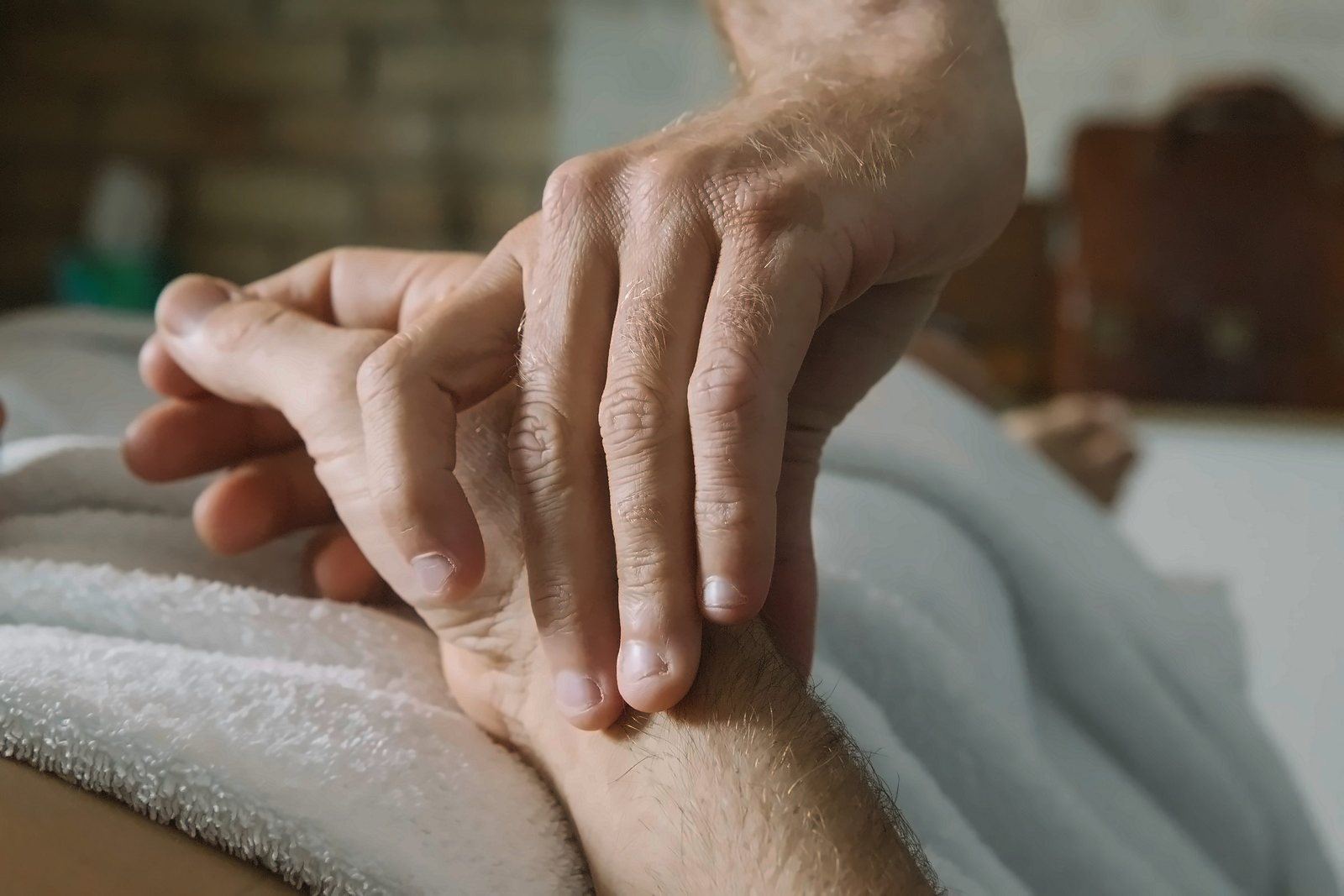
Gentle, Japanese-style acupuncture, traditionally used to support balance, relaxation and general wellbeing.
Cupping
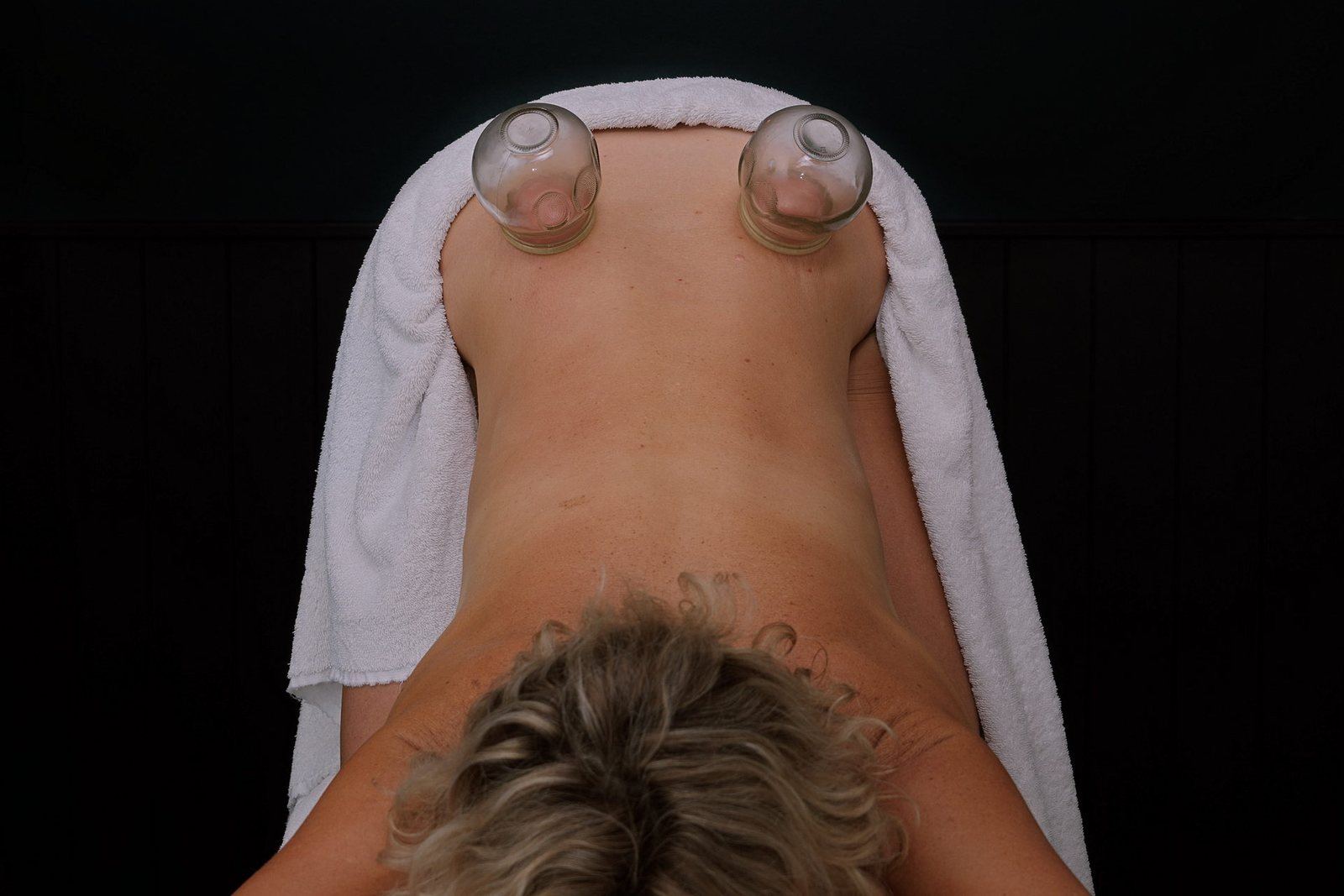
Gentle suction, traditionally used to ease muscle tension and support circulation.
Chinese Herbal Medicine
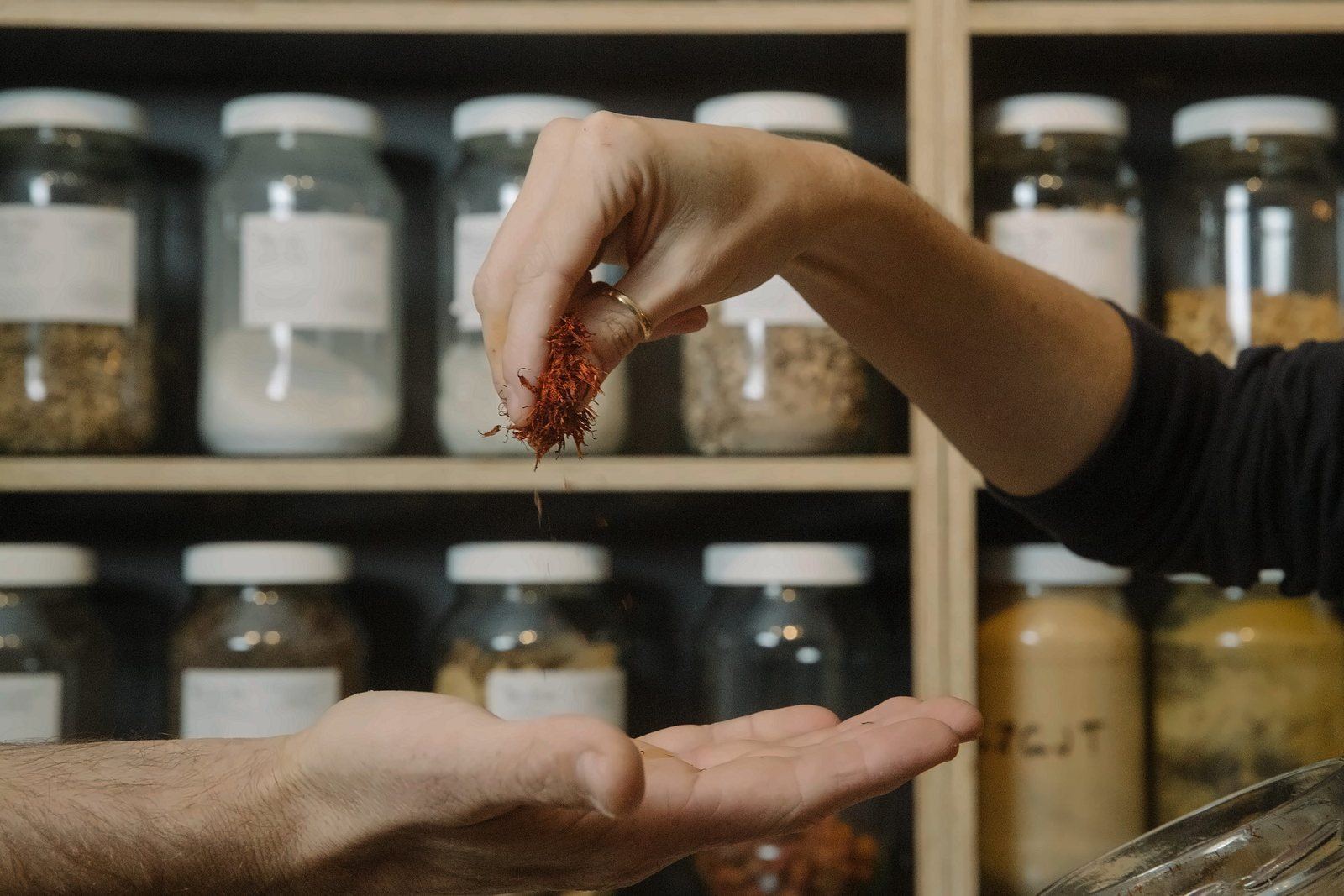
Tailored herbal formulas from registered practitioners, traditionally used to support balance across body systems.
Process Work
A mindfulness-based approach integrating body, emotion and awareness, supporting growth and self-understanding.
Ready when you are.
First appointments run 90 minutes, so there is room to hear the whole picture before anything else happens.